
The Allure of Casino Games
The enchanting environment of a casino, with its flashing lights and engaging sounds, creates an immersive experience that attracts countless players. This allure is deeply rooted in the psychology of human behavior, where the setting plays a crucial role in motivating individuals to participate. To enhance their appeal, players often consider non gamstop betting sites that provide different gaming experiences. The sensory stimulation in casinos is designed to heighten feelings of excitement and anticipation, making it difficult for players to resist the draw of various games.
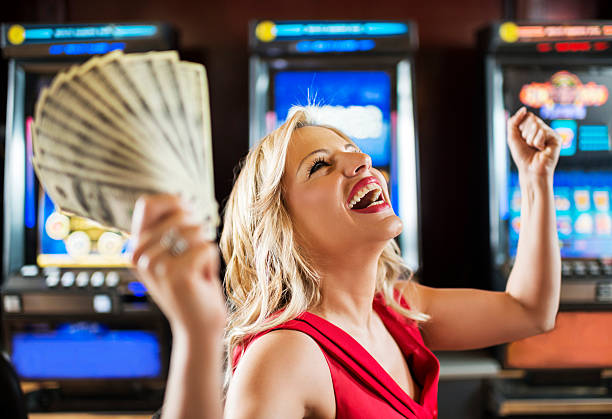
Moreover, the design of casino games often incorporates elements meant to tap into basic human instincts. For example, the chance to win big appeals to players’ desires for instant gratification and the thrill of risk. This mixture of excitement and potential reward enhances the overall appeal of gambling, making players more likely to engage repeatedly with these games.
The Role of Cognitive Biases
Cognitive biases significantly influence player behavior in casinos. One common bias is the illusion of control, where players believe they can influence the outcome of games that are purely based on chance, such as slot machines or roulette. This false sense of control can lead individuals to make riskier bets, believing they have the ability to sway the results in their favor.
Another cognitive bias affecting player behavior is the gambler’s fallacy. This is the belief that past events can affect future outcomes in random games. For example, if a roulette wheel lands on red several times in a row, players may feel that black is ‘due’ to appear. Such misconceptions can lead to increased betting and continued play, further entrenching players in the cycle of gambling.
Emotional Triggers and Player Decision-Making
Emotions play a pivotal role in how players make decisions in casinos. Positive emotions, such as excitement and euphoria from winning, can lead to continued play and increased risk-taking. Conversely, negative emotions, like stress or sadness, can prompt players to gamble as a form of escapism, hoping for a win that will alleviate their emotional state.
Furthermore, the social aspect of gambling can amplify these emotional triggers. Playing in groups or at crowded tables can generate a collective excitement that encourages individuals to gamble more. The shared experience, along with the influence of friends and fellow players, can significantly impact decision-making and behavior at the tables.
The Impact of Marketing Strategies
Casino marketing strategies are meticulously crafted, taking psychological principles into account to entice and retain players. Promotions, loyalty programs, and bonuses are tailored to appeal to players’ desires for value and rewards. Such incentives encourage repeated visits to casinos, as players equate these offers with potential winning experiences.
In addition, casinos frequently utilize social proof in their marketing, showcasing winners or testimonials that create an impression of success associated with their establishment. This tactic not only attracts new players but also reinforces existing players’ beliefs in their chances of winning, thereby promoting further engagement with the games on offer.

Commitment to Player Safety and Experience
Our platform is dedicated to providing a secure and enjoyable online experience for all players. We understand the psychological factors that can influence gambling behavior, and we prioritize the well-being of our users. Our approach includes implementing robust security measures to protect against potential cyber threats while ensuring a smooth and engaging user interface.
We strive to create an environment where players can enjoy their favorite games responsibly. By fostering a focus on user safety and experience, we aim to offer a platform that not only entertains but also supports the healthy engagement of individuals with casino games.