
Understanding Luck in Gambling
Luck serves as a fundamental element in gambling, acting as the unpredictable force that can dictate the outcomes in various games of chance. Games such as slots, roulette, and dice rely heavily on random number generation, where players have little to no control over the results. This inherent randomness highlights the significance of luck, leading to both substantial wins and devastating losses, especially in an online casino australia environment. The thrill derived from chance is often what attracts players, creating an atmosphere of excitement and anticipation with each spin or roll, making every moment filled with the potential for rewards or pitfalls.
The concept of luck transcends mere chance; it is also shaped by psychological factors that influence how players engage with games. Many individuals develop personal beliefs around ‘lucky’ numbers or symbols, which adds a layer of emotional investment to their gambling experience. This belief in luck can establish a unique connection to the game, encouraging players to persist in their gambling activities despite the associated risks. However, a reliance on luck alone can lead to poor decision-making, especially in environments designed to exploit randomness, where understanding the odds and probabilities is essential for making informed choices.
Even in luck-dominated games, players can employ strategies to augment their winning potential. Familiarizing oneself with the odds and probabilities of different games can provide a clearer understanding of their options. While luck may ultimately influence the outcome, knowledge about game mechanics empowers players to make better-informed decisions. This nuanced approach blurs the line between pure luck and strategic navigation of the gambling landscape, allowing players to engage with games in a more educated and thoughtful manner.
The Role of Skill in Gambling
Skill in gambling showcases how players can utilize strategy, knowledge, and experience to affect the outcome of certain games. Games such as poker, blackjack, and sports betting rely heavily on a gambler’s ability to assess situations, read opponents, and make informed decisions. Unlike games governed purely by chance, skillful gambling provides players with tools to potentially enhance their odds of winning. This dynamic creates a competitive environment where skilled players can gain a significant advantage over less experienced participants, elevating the level of play.
Take poker, for example; players are not only tasked with evaluating the strength of their own hands but also analyzing their opponents’ strategies and tendencies. This aspect of reading the game adds layers of complexity, enabling a skillful player to bluff effectively or fold at pivotal moments. Advanced strategies such as pot odds and implied odds illustrate how a deep understanding of skill can dictate game outcomes, allowing a knowledgeable player to make more calculated decisions and navigate the inherent risks of gambling with greater efficacy.
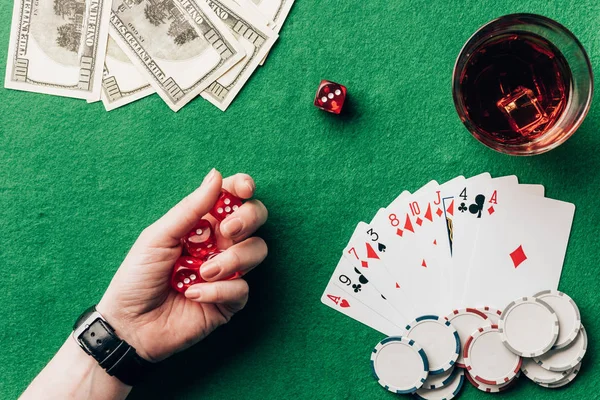
The importance of skill becomes even more apparent in competitive gambling environments. Professional gamblers often dedicate significant time and resources to refine their craft, exploring various strategies and analyzing performance metrics. This commitment to skill development underscores the distinction between novice and expert players. While luck undeniably plays a role in a gambler’s journey, the conscious application of skill enables individuals to exert greater control over their gameplay, enhancing both their overall enjoyment and potential for success.
The Balance Between Luck and Skill
The interplay of luck and skill in gambling creates a captivating dynamic that shapes individual experiences and broader trends within the gambling community. In many games, particularly poker and blackjack, the synergy of luck and skill determines outcomes rather than favoring one element over the other. Even the most skilled player may find themselves in circumstances where luck dramatically alters the course of the game. This balance contributes to the unpredictability that characterizes gambling, ensuring that each session remains unique and engaging.
Understanding the roles of both luck and skill cultivates a deeper appreciation for the gambling experience. Players who recognize that luck can be fleeting are more likely to approach their games with a resilient and strategic mindset. This awareness can alleviate frustration during losing streaks, as players learn to accept the dual nature of gambling outcomes. Those who continue honing their skills can enhance their enjoyment and engagement with the games they choose to play, transforming their gambling sessions into more rewarding experiences.
Moreover, the balance between luck and skill holds significant implications for the gambling industry. Games that incorporate both elements tend to attract a diverse audience, catering to various player preferences and styles. While casual players may revel in the excitement of spinning slots, seasoned gamblers often gravitate towards strategic card games. This diversity ensures that casinos can appeal to a wide range of players, promoting sustained interest and participation. The blend of luck and skill not only enriches individual experiences but also drives industry growth and innovation.
Psychological Factors in Gambling
The psychological dimensions of gambling play a crucial role in shaping how players perceive luck and skill. Cognitive biases, such as the gambler’s fallacy, can lead individuals to erroneously believe that past outcomes influence future results. This skewed perception creates a false sense of control, compelling players to think they can predict upcoming outcomes based on previous events. Such biases can significantly impact decision-making, often leading players to make impulsive bets rooted in the illusion of skill, even in games where luck predominantly governs results.

Another vital psychological aspect is risk perception. Players evaluate the likelihood of winning or losing differently based on their experiences and emotional states. When individuals experience a winning streak, they may overestimate their skill while downplaying the role of luck. Conversely, a series of losses can lead to feelings of hopelessness and self-blame, complicating their relationship with gambling. This psychological rollercoaster can profoundly influence engagement levels, shaping both emotional responses and betting behaviors.
The thrill associated with the unpredictability of luck can also create an addictive cycle for many gamblers. The excitement of winning—whether through skill or sheer luck—triggers a rush of dopamine, reinforcing the desire to continue playing. Understanding these psychological factors enables both players and industry professionals to devise strategies that promote responsible gambling while enhancing the overall experience. Recognizing the mental dimensions of gambling underscores the necessity for awareness and education in navigating the complex interplay between luck and skill.
Exploring Resources About Gambling
For those interested in deepening their understanding of the complexities surrounding gambling, a wealth of resources is available. Websites dedicated to gambling often provide insights into various game mechanics, offer strategies for skill enhancement, and analyze the role of luck in different contexts. These platforms serve as invaluable tools for both newcomers and experienced players, equipping them with essential information to effectively navigate the gambling landscape and make informed decisions.
Additionally, online forums and communities focused on gambling allow individuals to share experiences and strategies, fostering a collaborative environment. Engaging with like-minded enthusiasts can lead to diverse perspectives on the balance between luck and skill. This exchange of ideas can enhance personal gaming strategies, build confidence, and nurture a more nuanced appreciation for the games themselves, significantly enriching the overall gambling experience.
Ultimately, understanding the impact of luck versus skill in gambling is critical for anyone looking to engage responsibly. By leveraging available resources and connecting with the gambling community, players can enhance their skills and adopt a more informed approach to gaming. This combination of knowledge and practical experience can transform gambling into an endeavor that is not only entertaining but also enriching and rewarding, fostering a more positive relationship with the activity.